
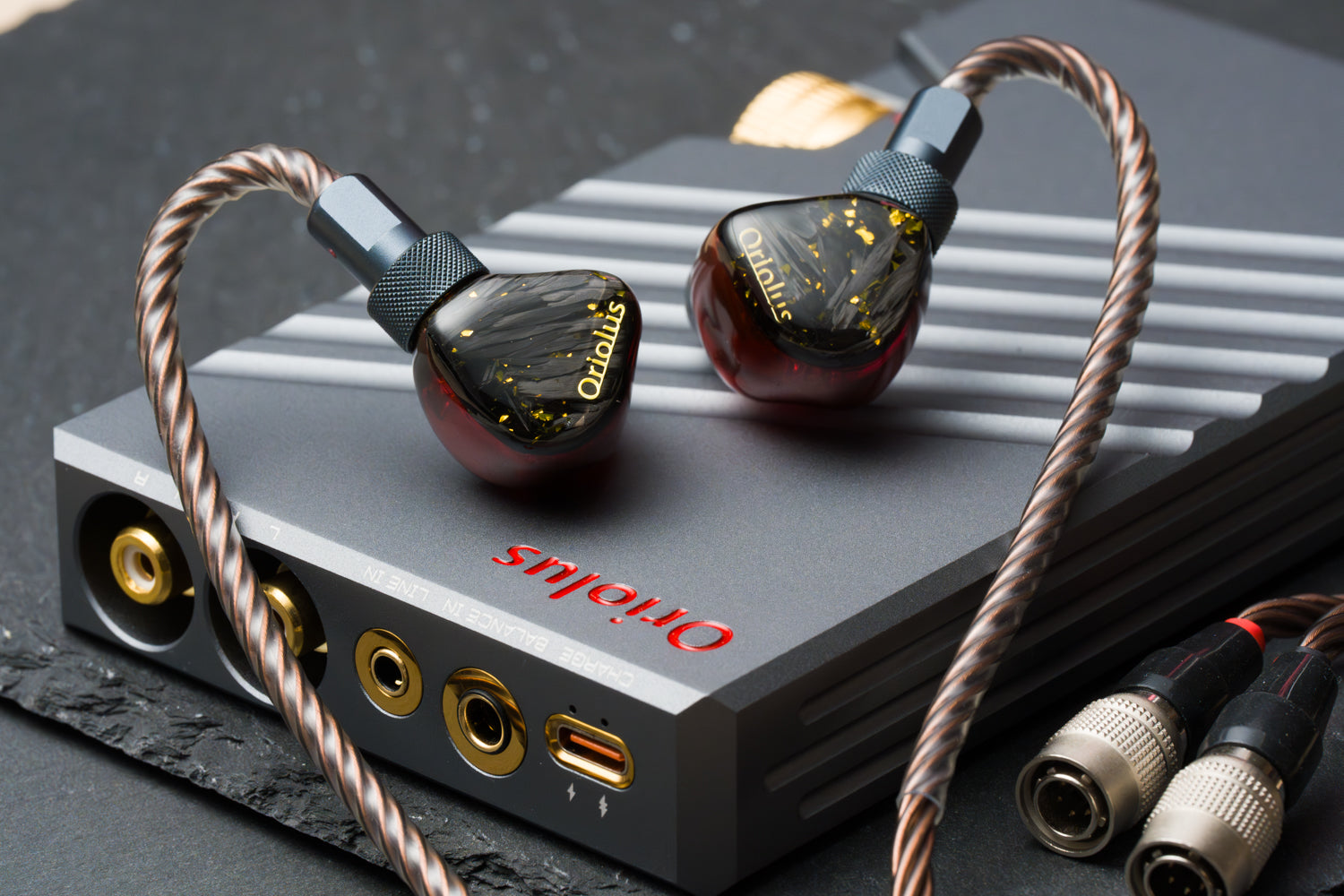
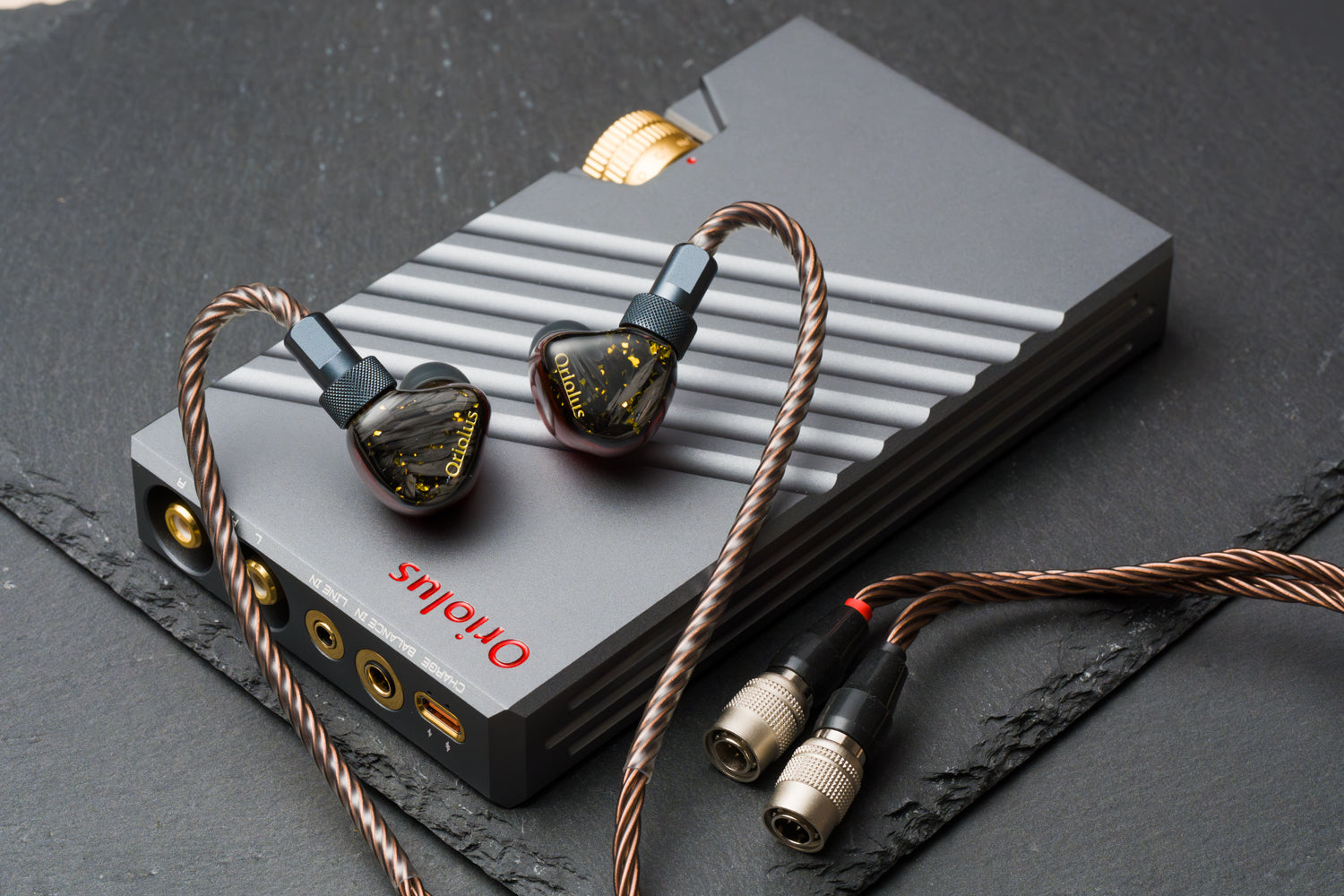
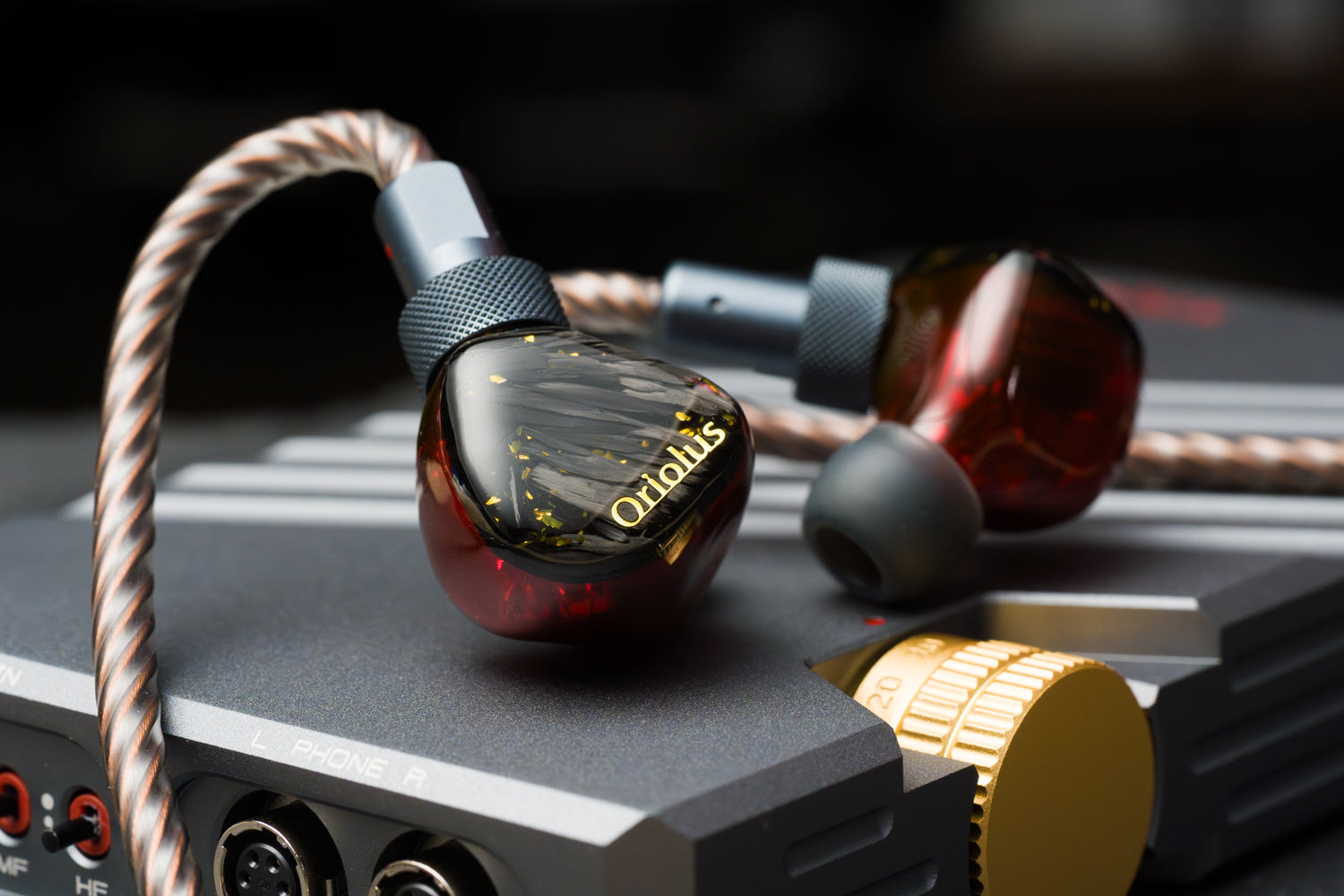
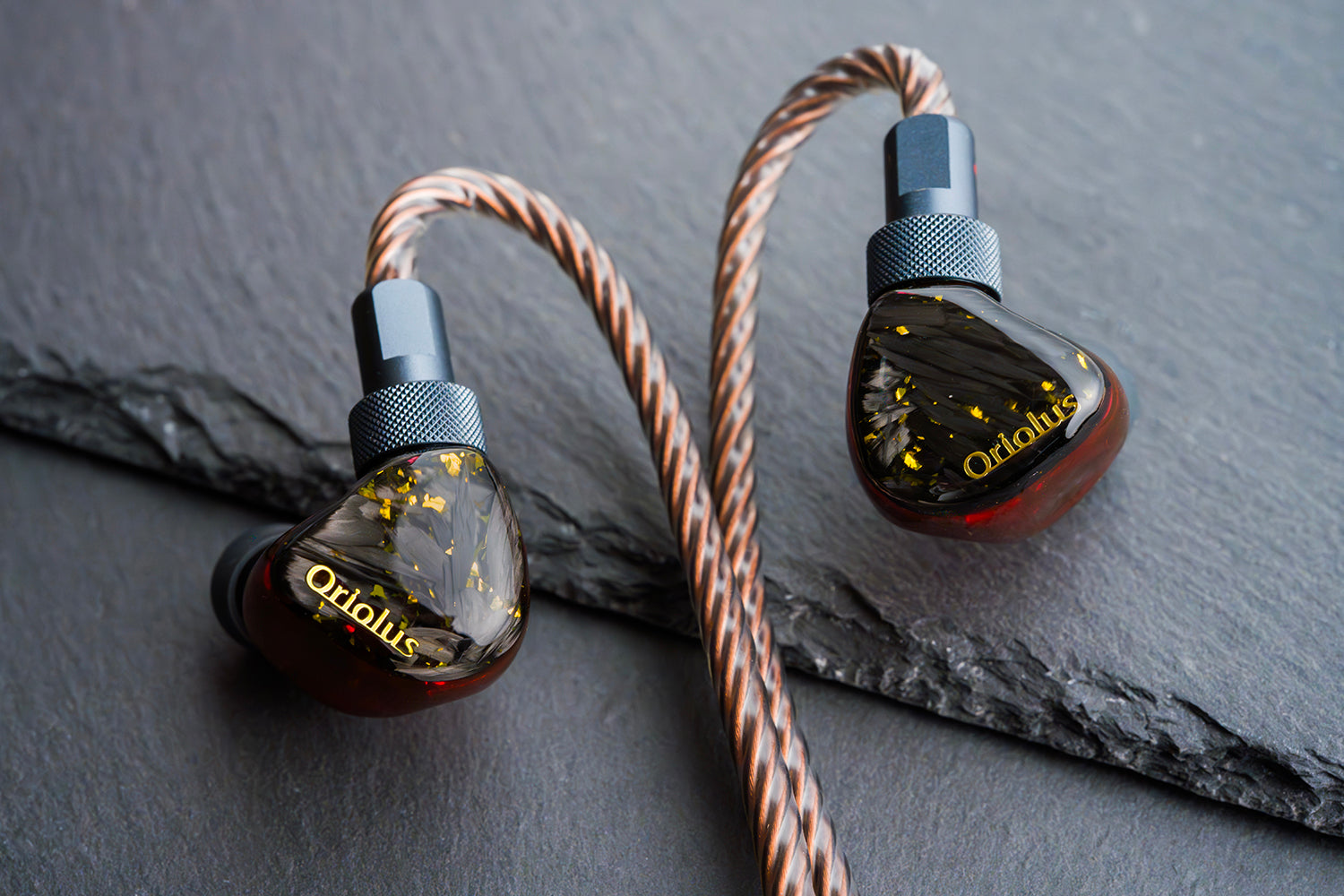
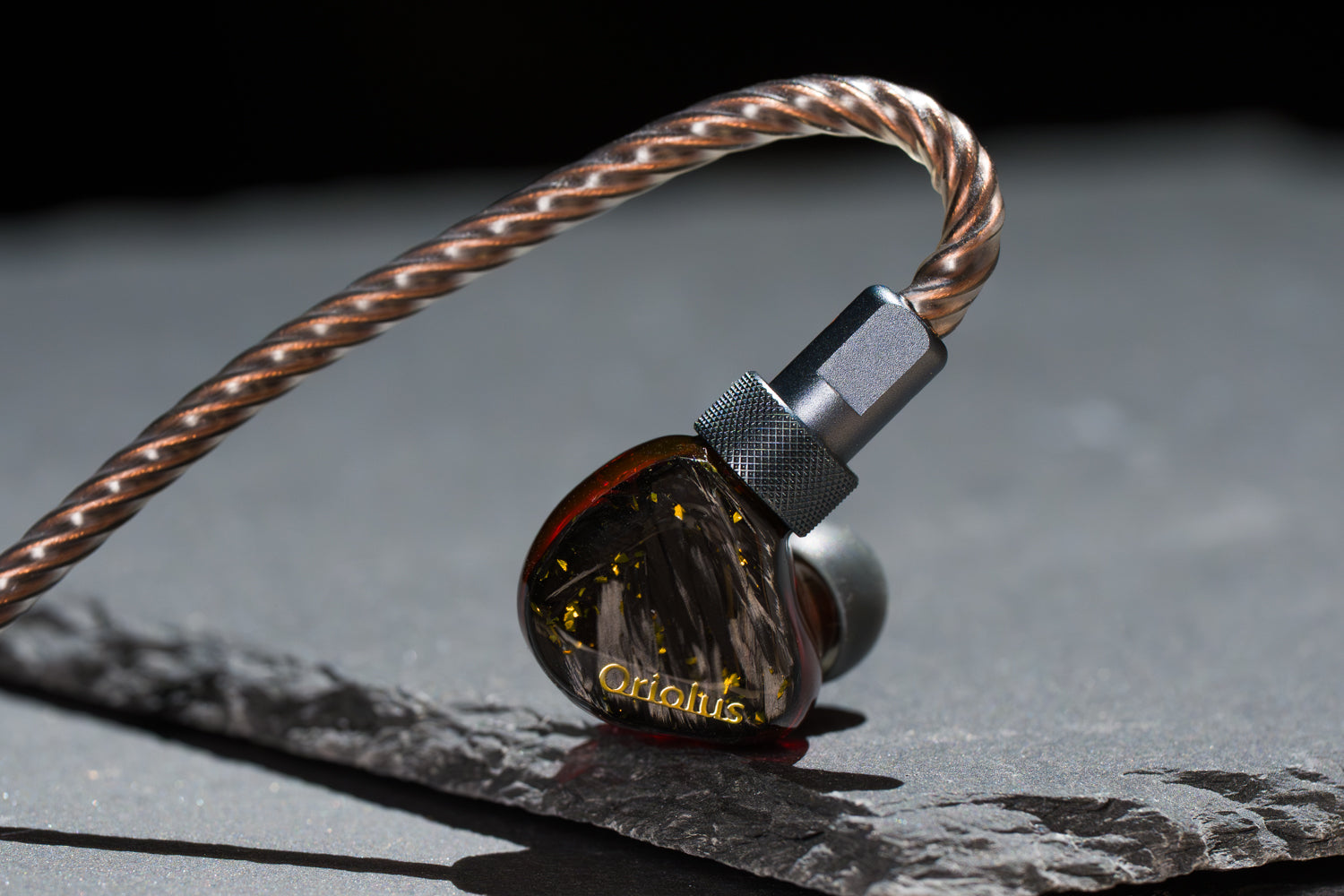
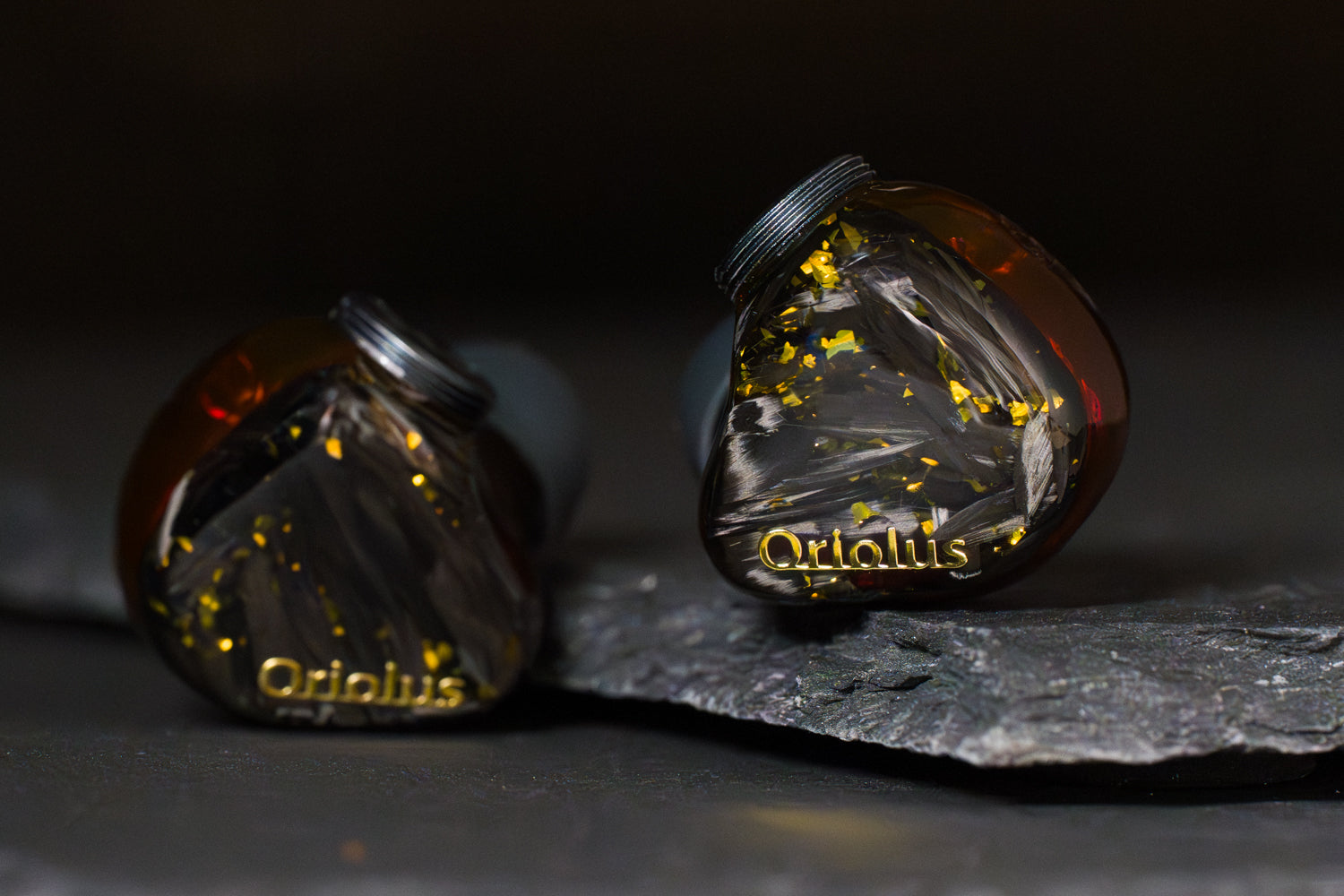
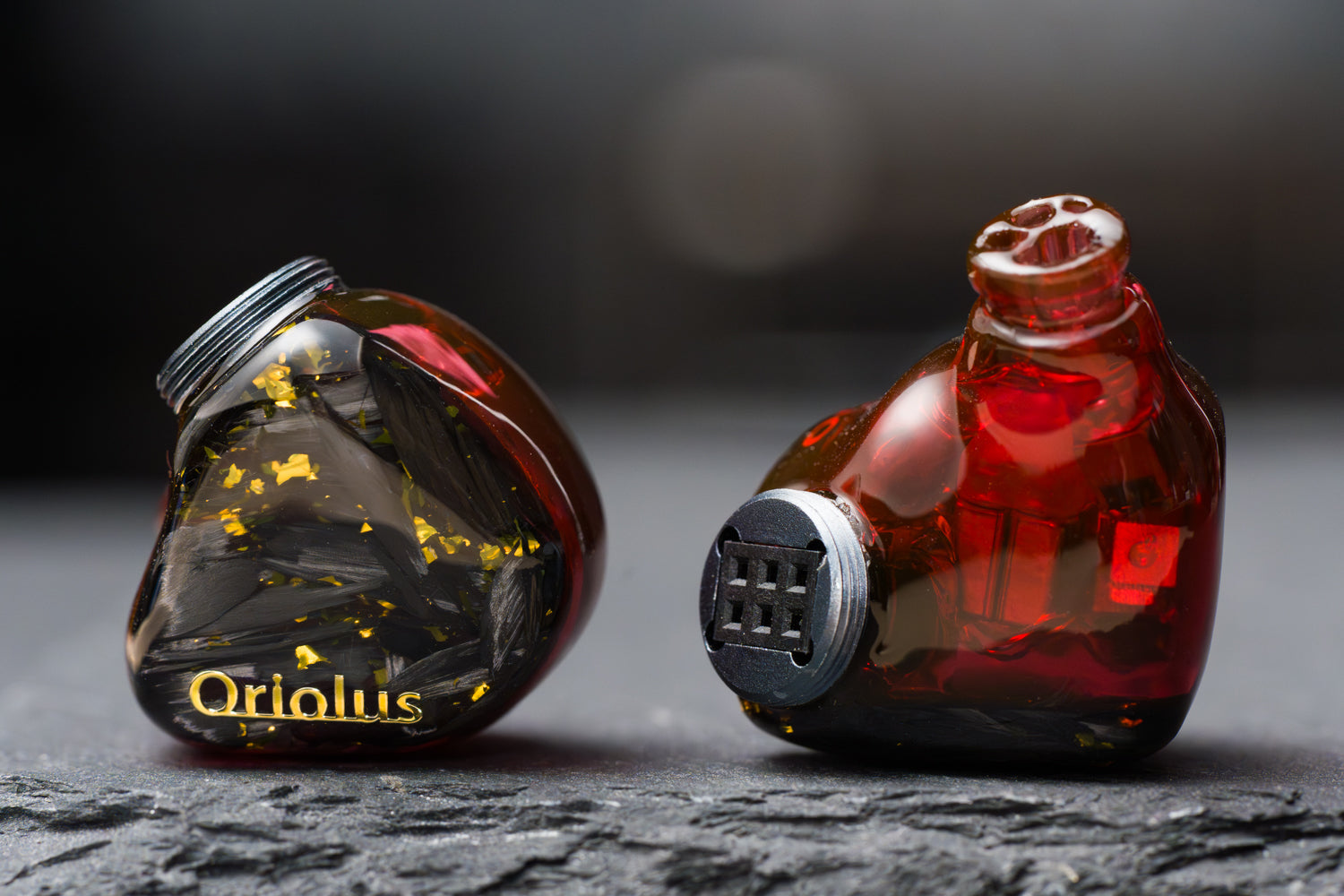
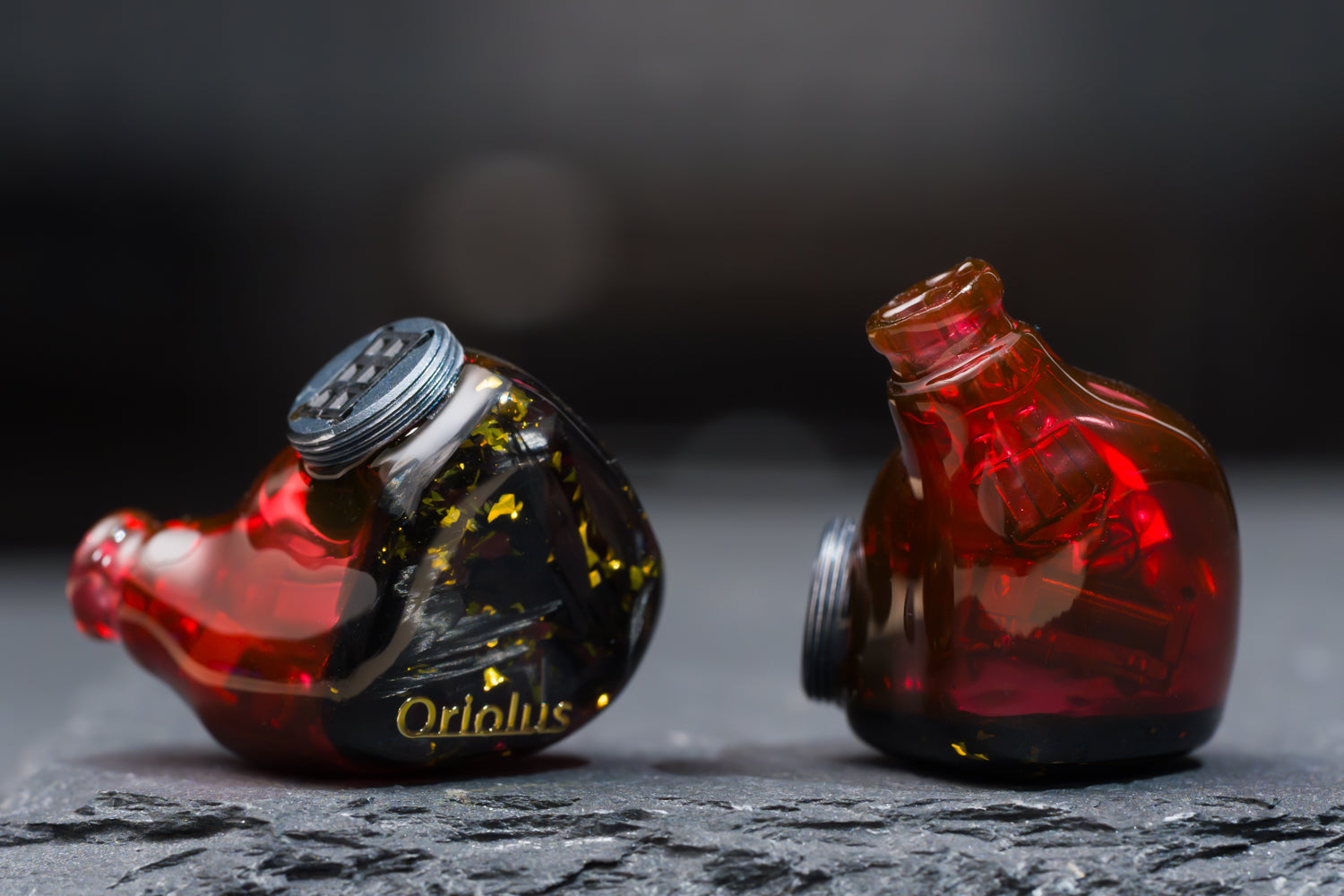
Oriolus Traillii Ultra IEM System
Pairs well with
Oriolus Traillii Ultra IEM System
If you have any questions, you are always welcome to contact us. We'll get back to you as soon as possible, within 24 hours on weekdays.
-
Shipping Information
Most orders placed before 3:00 PM EST are processed and shipped the same business day. In rare cases, fulfillment may take longer due to stock availability, custom modifications, or special-order items.
Expedited shipping options are available at checkout, including Next Day Air, 2-Day, and 3-Day delivery. Most international orders ship via UPS Worldwide for fast and dependable service.
-
Customer Support
Not sure which product is the best fit?
Send us an email at info@musicteck.com. Tell us what you listen to, what gear you currently own, and what kind of sound you're looking for. We respond quickly and are always happy to provide honest, personalized recommendations.
-
FAQ’s
View our FAQ page here!
-
Contact Us
Questions? We're here to help. For more immediate or urgent questions, give us a call at +1 (917) 576-4365.
Our customer support team is available Monday through Friday, 10:00 AM - 5:00 PM (ET).
Product details
Oriolus Traillii Ultra IEM System
A system, not merely an earphone.
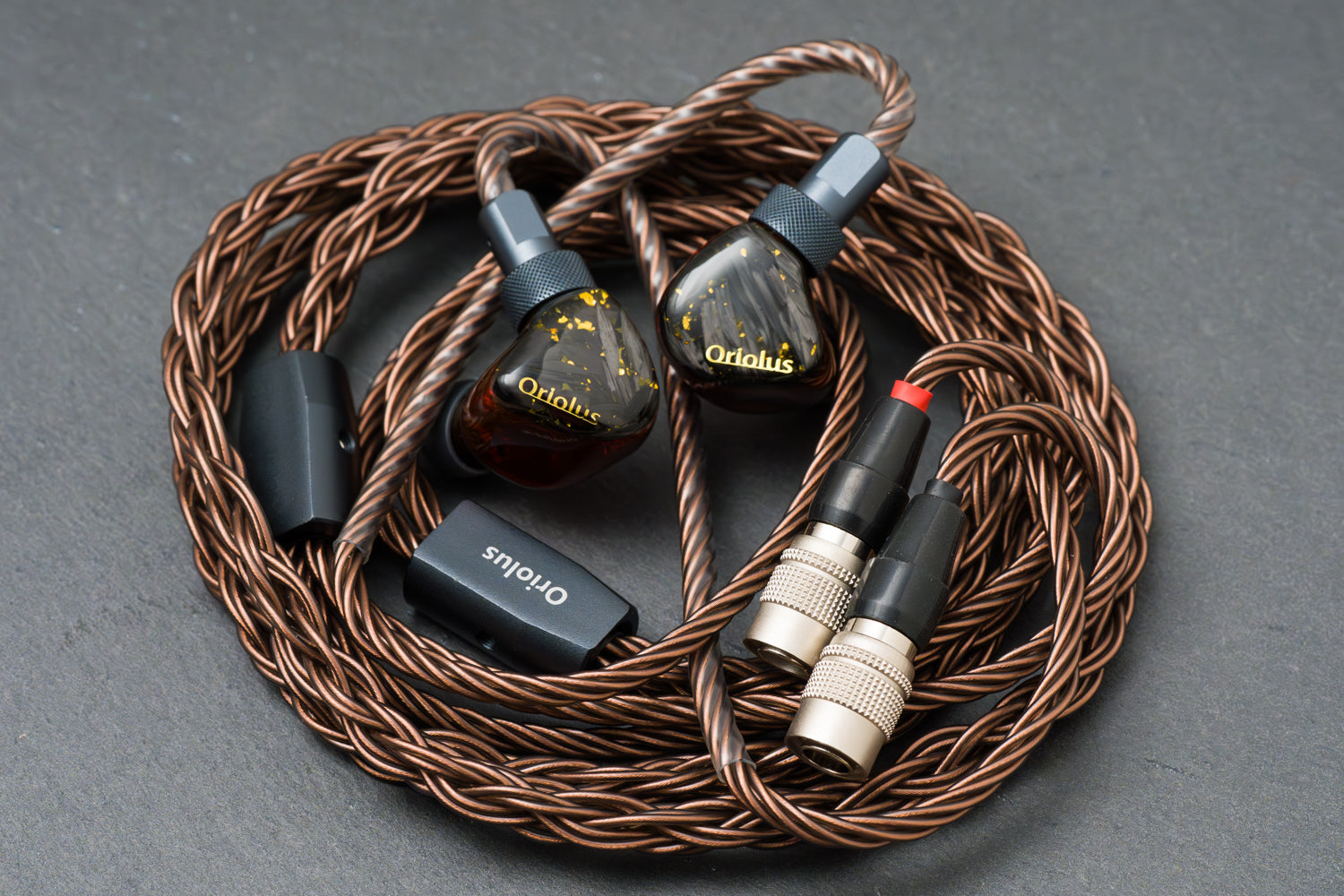
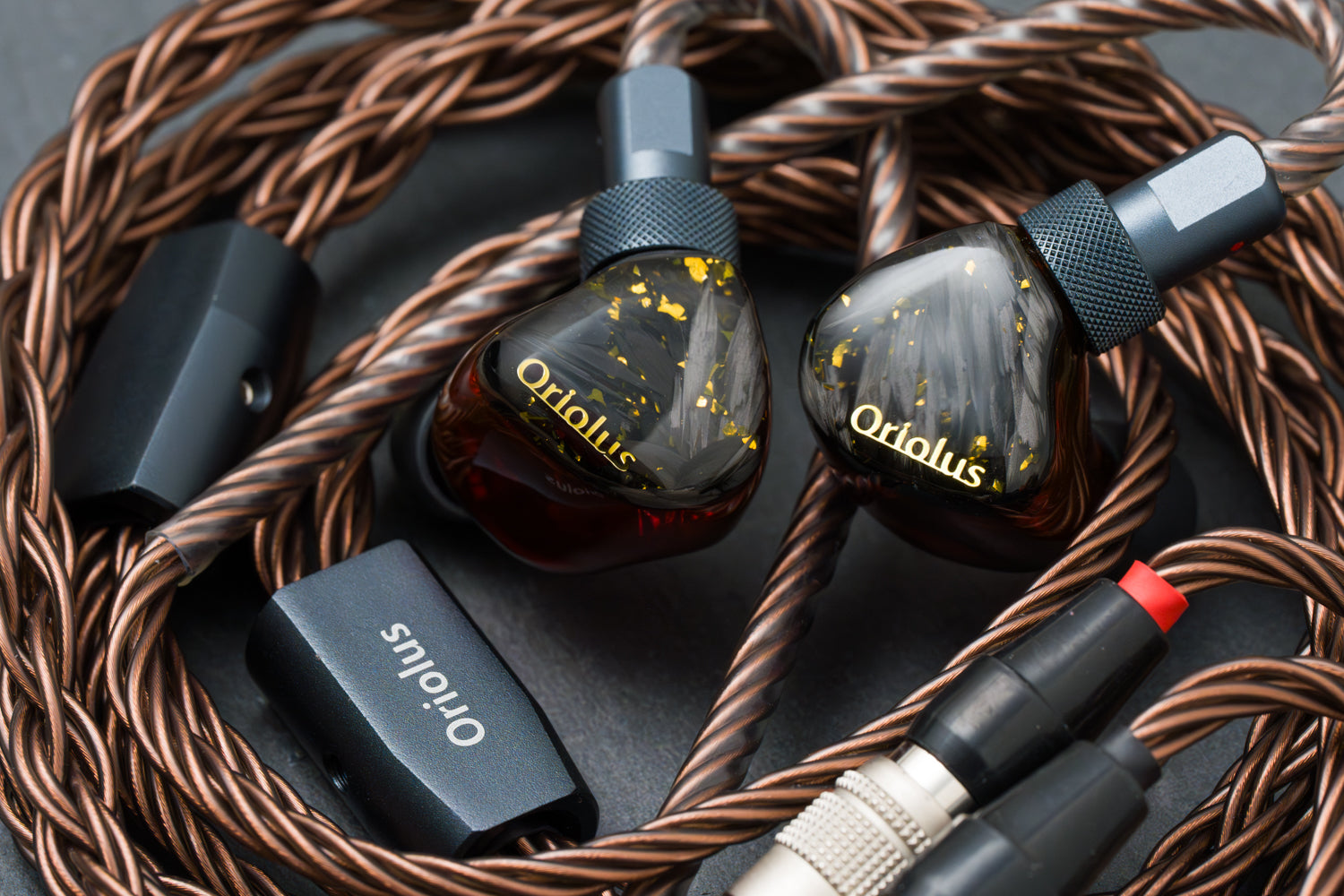
The Oriolus Traillii Ultra IEM System approaches in-ear reproduction as a complete audio system rather than a collection of separate components. Instead of optimising the earphone and amplifier in isolation, the entire playback chain is conceived as a single, coherent acoustic instrument.
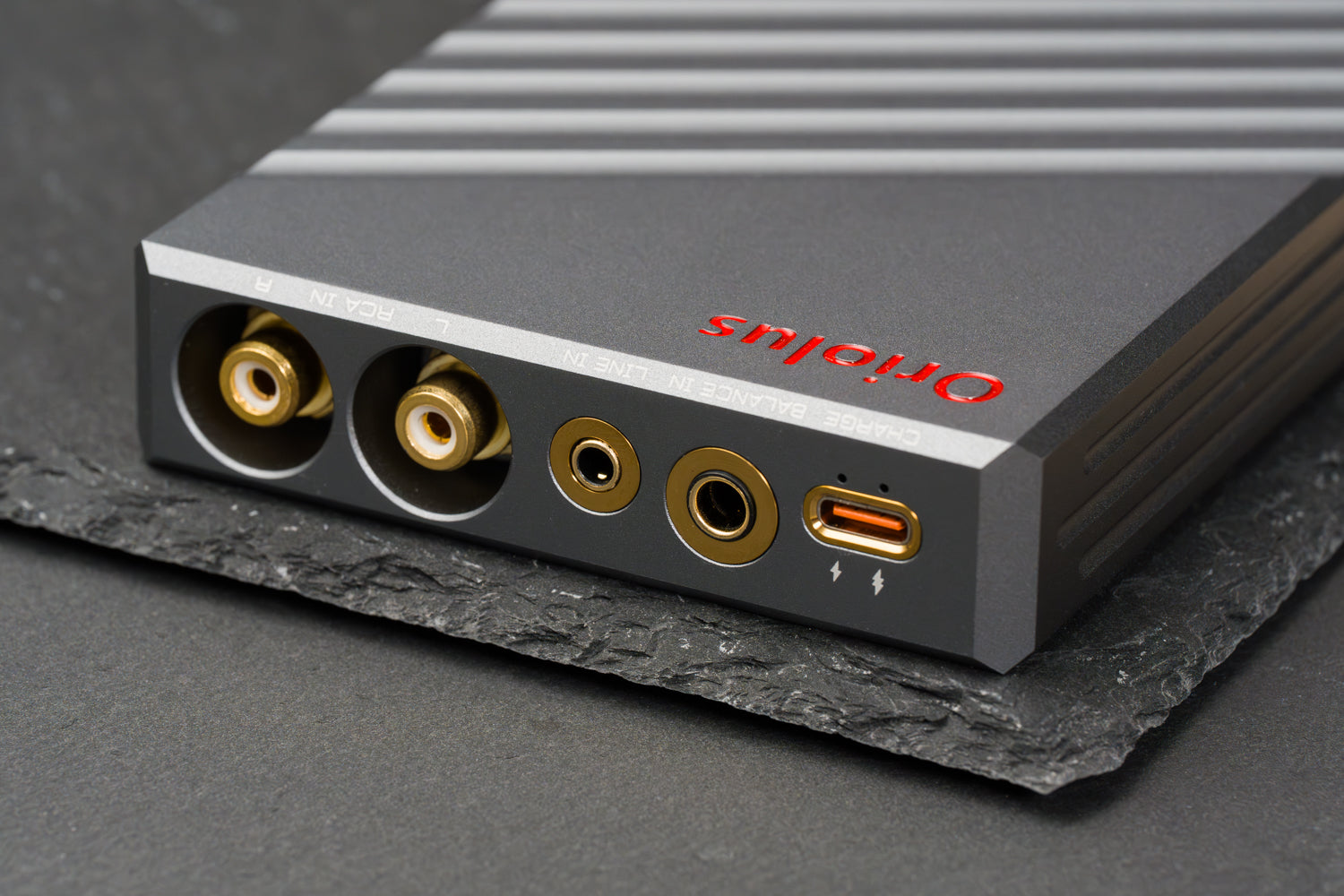
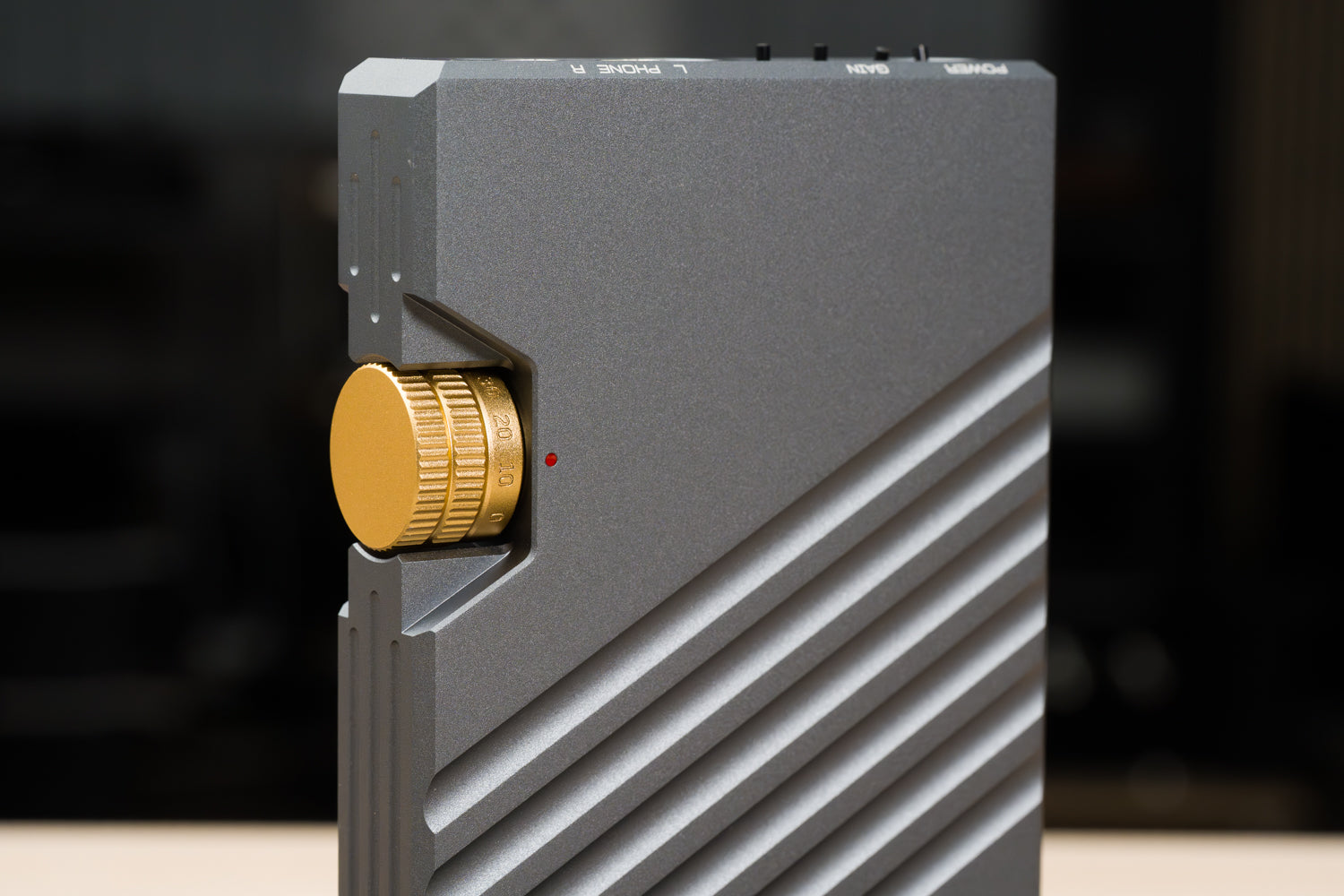
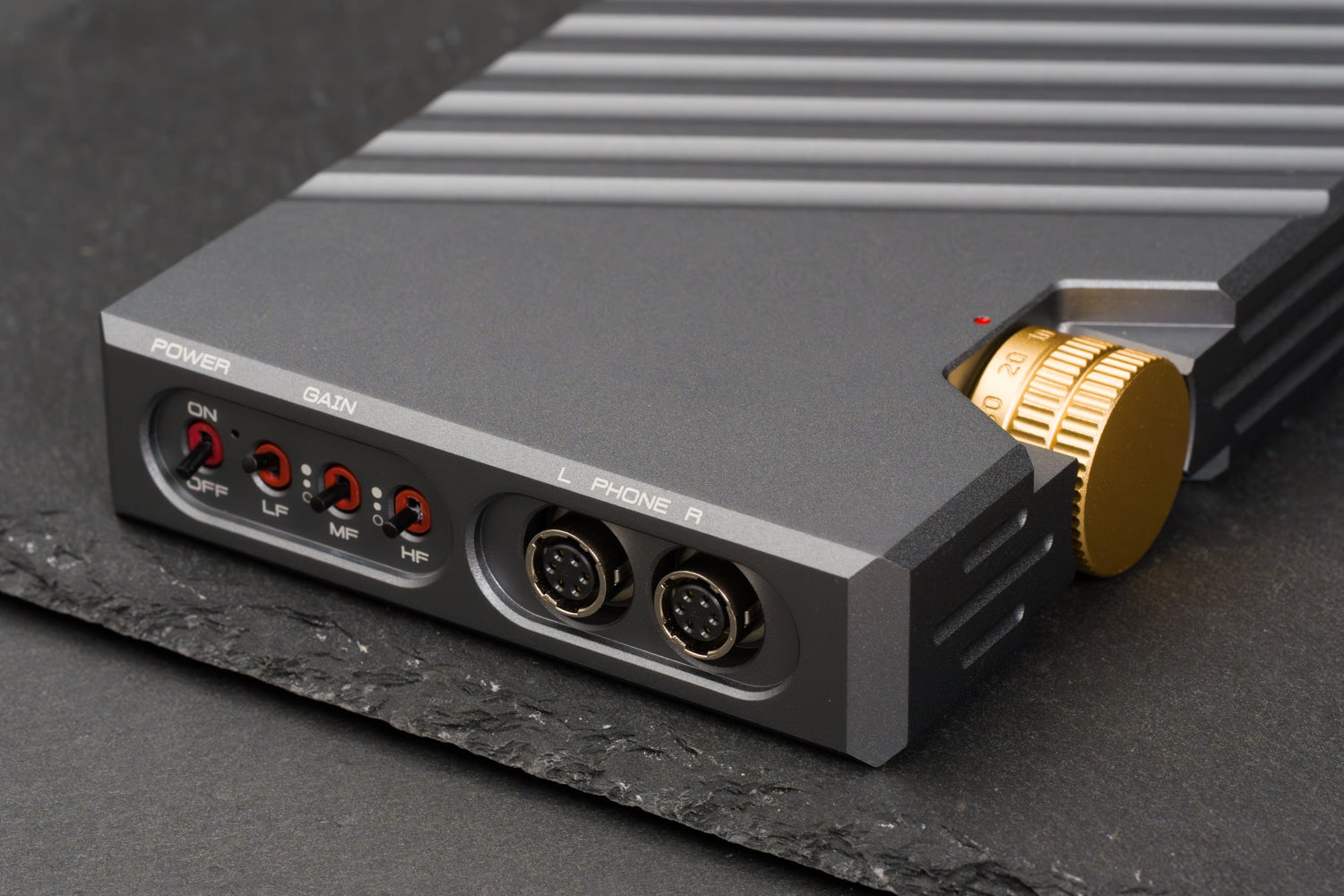
At its core is a dedicated three-way in-ear monitor, partnered with the DPA 10 — a purpose-built headphone amplifier incorporating a digital 3-way crossover and twelve independent amplification channels.
Together, they form a system designed to operate each driver under precisely controlled conditions, achieving a level of coherence and stability that conventional multi-driver IEMs often struggle to maintain.
Digital 3-Way Crossover × 12-Channel Independent Drive
Separate first. Drive with intent.
A 32-bit audio-dedicated DSP performs precise band-splitting before amplification, dividing the signal into low, mid, and high frequencies at the digital stage. Each band is then handled by its own analogue amplification circuit, resulting in twelve fully independent channels across left and right.
This architecture significantly reduces inter-band interaction while preserving phase integrity.
The outcome is not an exaggerated presentation, but one characterised by:
– Clear separation without artificial emphasis
– Stable, unforced spatial placement
– Low frequencies with depth and control
– High frequencies that extend naturally, without strain
Even as musical complexity increases, the soundstage remains composed and intelligible.
Dedicated Amplifier: DPA 10
Designed not for power, but for control.
The DPA 10 is not a general-purpose headphone amplifier.
It is engineered specifically for a three-way IEM architecture.
Key elements include:
– 32-bit digital 3-way crossover processing
– Twelve BUF634 buffer stages, one per channel
– OP-amp plus buffer topology for consistent stability
– Independent gain control for low, mid, and high bands
Rather than prioritising raw output, the design focuses on maintaining predictable electrical behaviour for each driver.
The sound is restrained and deliberate: clearly defined outlines, natural dynamic flow, and a sense of ease that avoids excessive forwardness.
Listening Character (Supplementary Description)
The Traillii Ultra IEM System does not aim to impress through immediacy or tonal exaggeration.
– Bass favours control and depth over sheer quantity
– Midrange presentation is dense, tangible, and grounded
– Treble is open and articulate, without edge
This balance supports extended listening sessions and allows musical structure, phrasing, and intent to emerge with clarity rather than force.
Intended Use and Listener Profile
This system is not positioned as a casual portable solution.
It is designed for listeners who value precision and consistency in in-ear monitoring, including:
– Dedicated home listening with a reference DAC
– Desk-based or stationary systems
– Recording and mix evaluation
– Classical, jazz, acoustic, and vocal-centric music
For those seeking to elevate the accuracy of in-ear reproduction beyond conventional multi-driver designs, Traillii Ultra offers a distinctly system-oriented approach.
Design Philosophy
The Traillii Ultra IEM System reflects over three decades of experience in acoustic design by Raoul Yu-Liang.
The objective was not to pursue immediacy or spectacle, but to align frequency balance, phase behaviour, and driving conditions with minimal compromise.
By combining measured performance with critical listening, the system treats the earphone not as an isolated transducer, but as part of an integrated signal path.
The emphasis remains on coherence, predictability, and musical integrity.
Summary
The Oriolus Traillii Ultra IEM System reconsiders what an in-ear monitor can be when approached as a complete audio system.
Its digital 3-way crossover and twelve-channel independent drive architecture serve a single purpose: to reproduce music with accuracy, stability, and restraint.
This is not a product designed to compete on spectacle.
It is designed to let the music speak, with precision.
Brand Story Version
The Oriolus Traillii Ultra IEM System begins with a simple question: not how to make an earphone sound impressive, but how to treat sound correctly.
Three-way crossovers are not new.
What is uncommon is a design that refuses compromise after the crossover point.
By separating frequencies digitally, amplifying each band independently in the analogue domain, and optimising conditions for every driver, the system adopts an architecture closer to reference loudspeaker design than to conventional IEM practice.
The goal is neither embellishment nor effect.
It is clarity, structure, and fidelity to the recording.
The Traillii Ultra IEM System is not a statement of “better sound.”
It is a tool for listening more accurately.

