

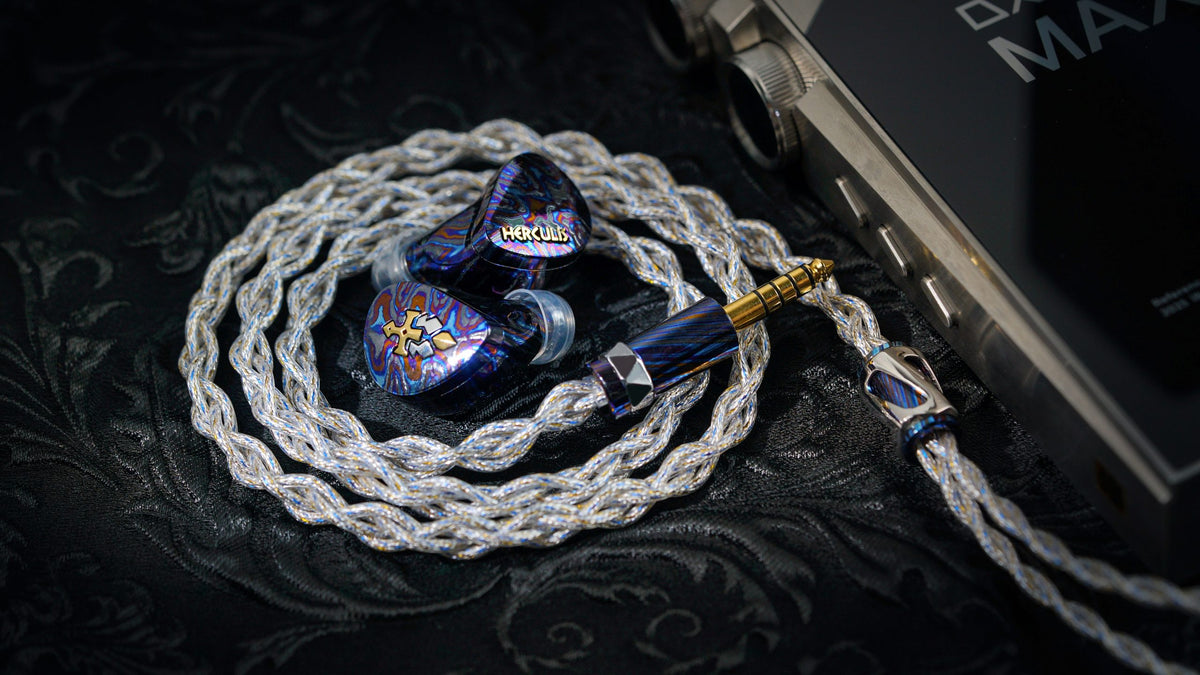
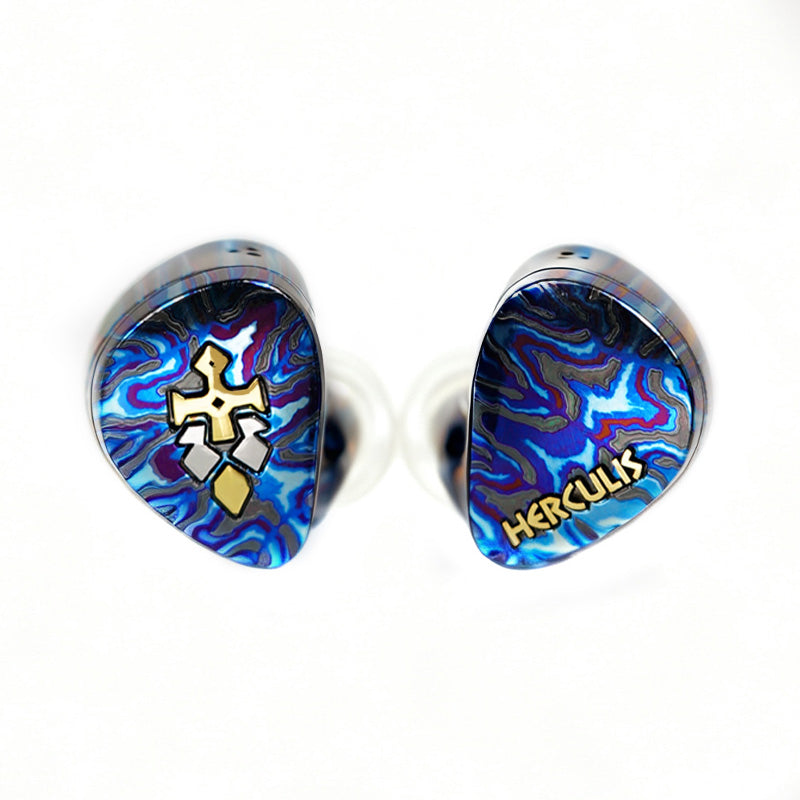
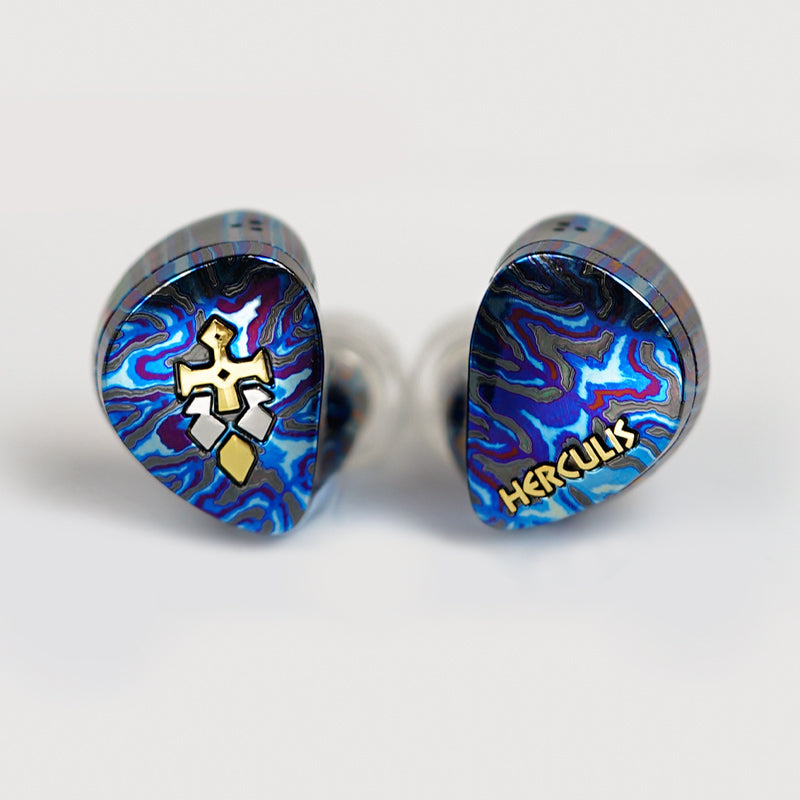
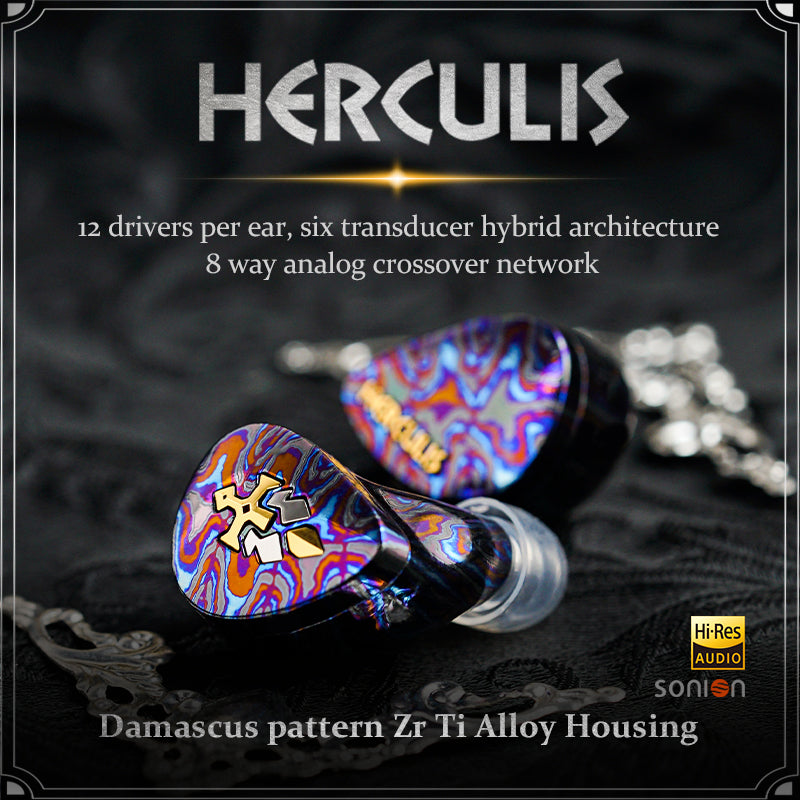
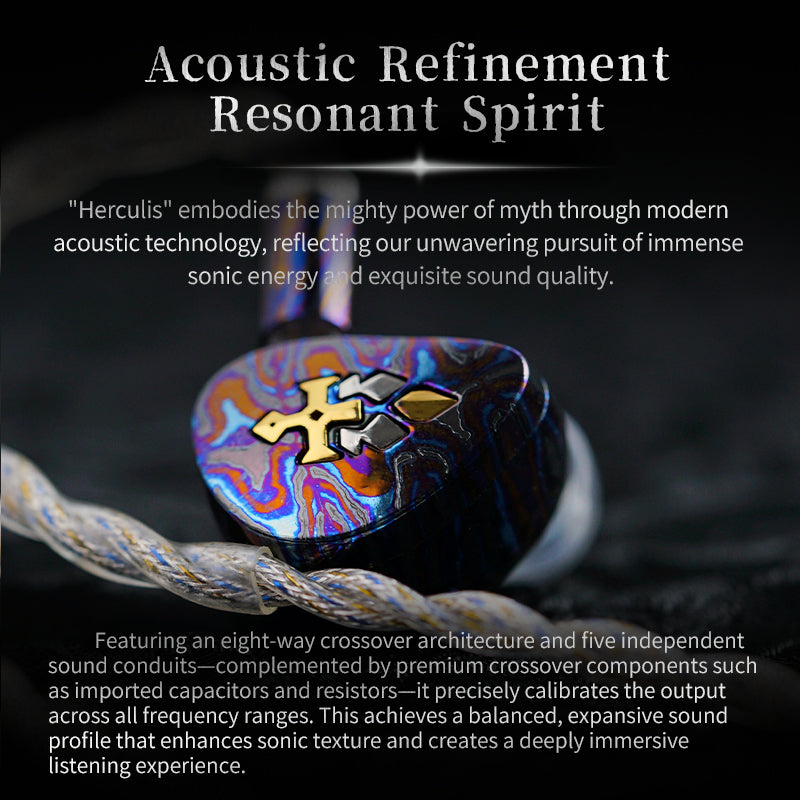
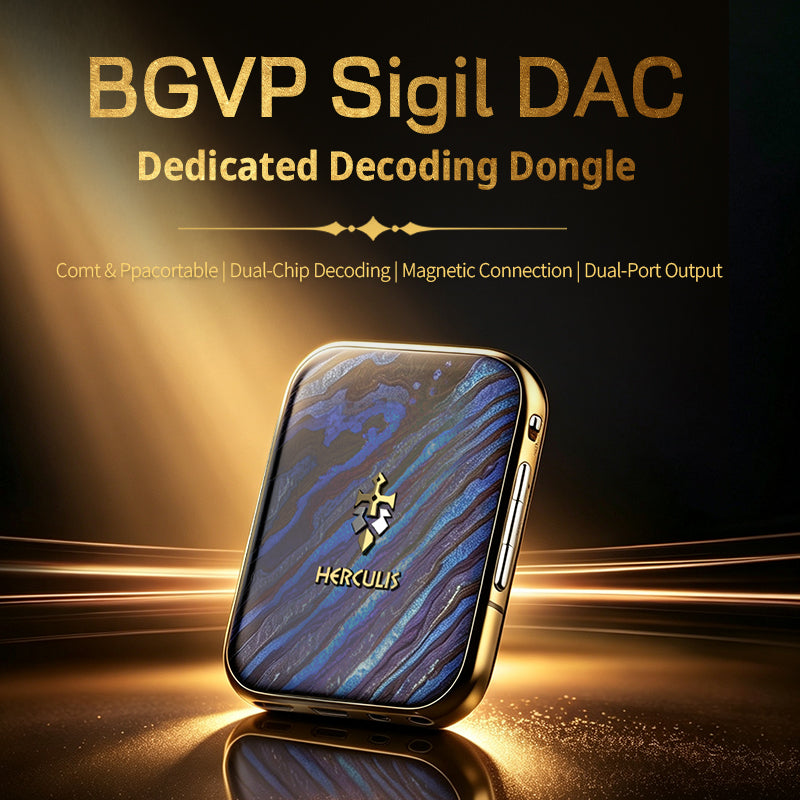
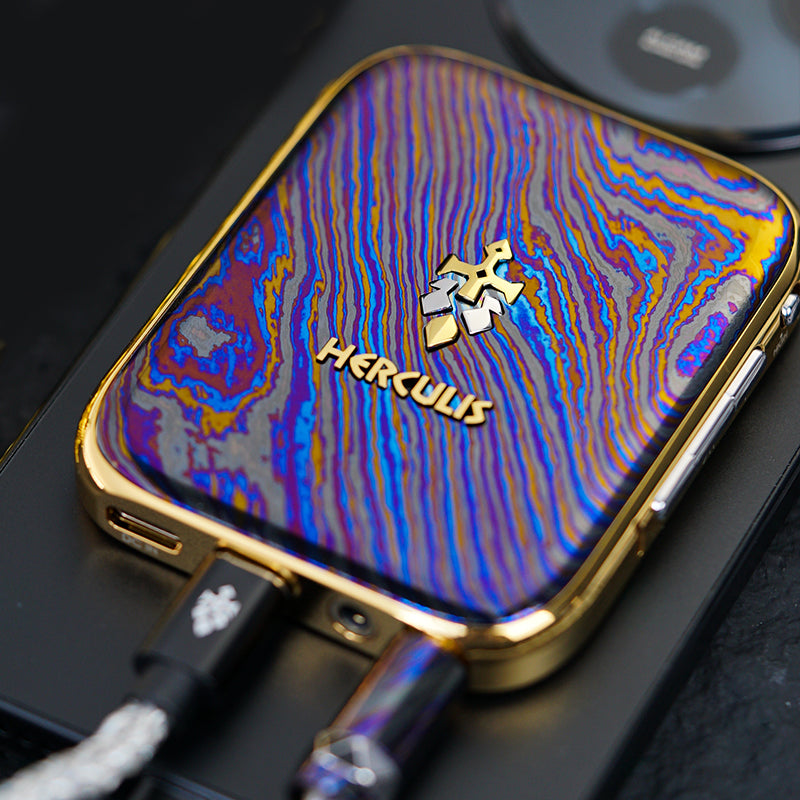


BGVP Herculis with Sigil DAC (Ships around Oct 25)
Pairs well with
BGVP Herculis with Sigil DAC (Ships around Oct 25)
Product details


If you have any questions, you are always welcome to contact us. We'll get back to you as soon as possible, within 24 hours on weekdays.
-
Shipping Information
Most orders placed before 3:00 PM EST are processed and shipped the same business day. In rare cases, fulfillment may take longer due to stock availability, custom modifications, or special-order items.
Expedited shipping options are available at checkout, including Next Day Air, 2-Day, and 3-Day delivery. Most international orders ship via UPS Worldwide for fast and dependable service.
-
Customer Support
Not sure which product is the best fit?
Send us an email at info@musicteck.com. Tell us what you listen to, what gear you currently own, and what kind of sound you're looking for. We respond quickly and are always happy to provide honest, personalized recommendations.
-
FAQ’s
View our FAQ page here!
-
Contact Us
Questions? We're here to help. For more immediate or urgent questions, give us a call at +1 (917) 576-4365.
Our customer support team is available Monday through Friday, 10:00 AM - 5:00 PM (ET).